Puzzle Games That Actually Challenge Your Brain
The puzzle game genre is one of the most oversaturated categories in gaming. For every genuinely challenging puzzle game, there are dozens of mindless match-three clones that require little more than random tapping. At FreshPlay Arcade, we believe puzzle games should actually make you think. Here's our guide to the puzzle games in our library that deliver genuine mental challenges and why they're worth your time.
What Makes a Good Puzzle Game?
Before diving into specific titles, let's establish what separates a truly challenging puzzle game from a mediocre one. Good puzzle games share several key characteristics: they introduce mechanics gradually so players can build understanding, they present problems with elegant solutions that feel satisfying to discover, and they maintain a difficulty curve that consistently pushes players without becoming frustrating. The best puzzle games also have a 'language' — a set of rules and interactions that players internalize over time, allowing them to tackle increasingly complex challenges.
Chroma Sort: Color Theory Meets Strategy
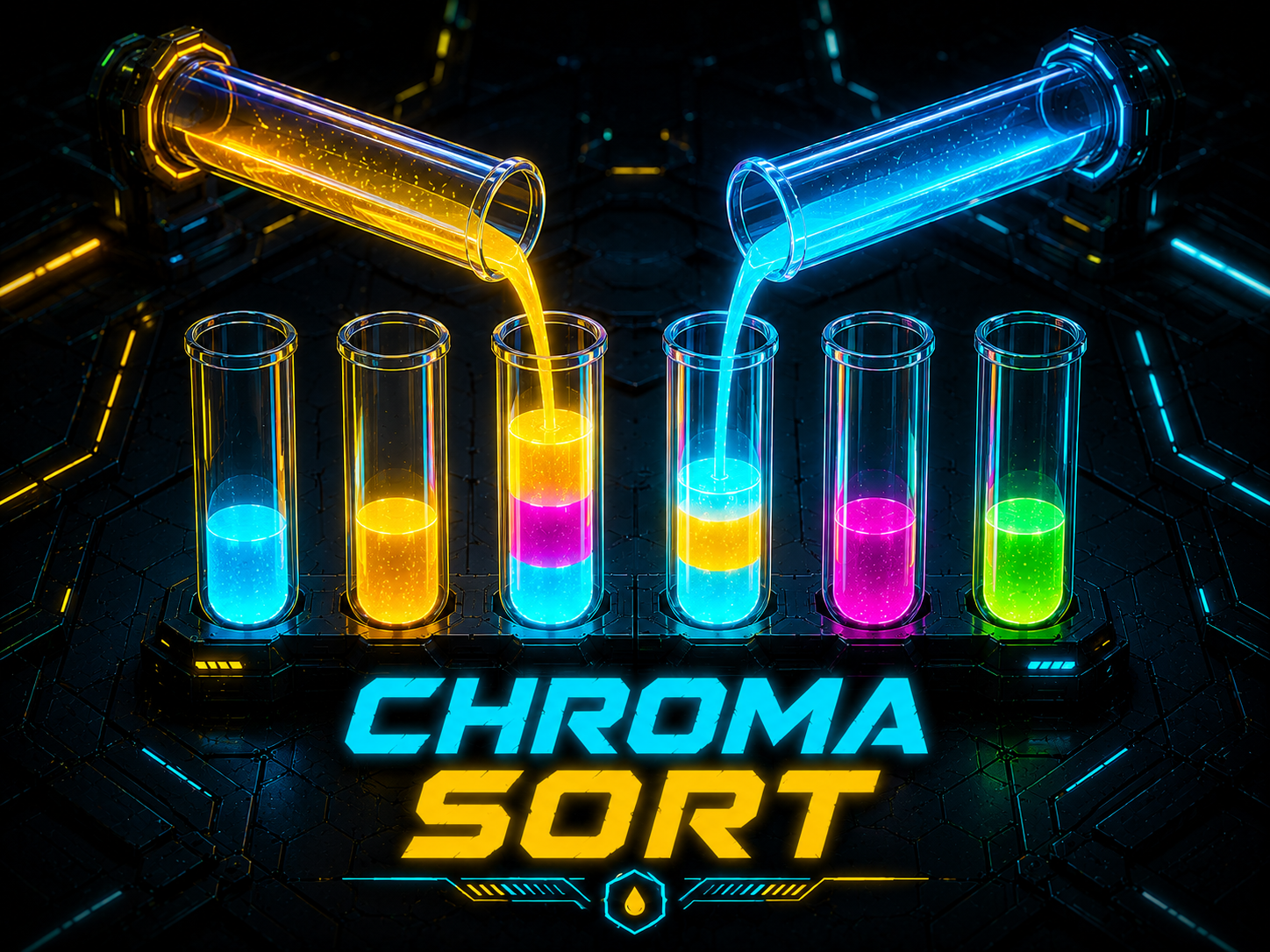
Chroma Sort presents players with a deceptively simple premise: sort colored elements into their correct positions. But as you progress through the game's carefully designed levels, you discover layers of complexity that transform this simple concept into a genuine brain workout. Early levels teach you the basic mechanics of moving and swapping colors, but soon you encounter locked positions that can't be changed, color mixers that combine elements, and timed challenges that add pressure to your decision-making. The game rewards both quick thinking and careful planning, and many levels have multiple valid solutions of varying efficiency. Finding the optimal solution — the one that uses the fewest moves — becomes an addictive meta-challenge for experienced players.
Block Unblock: Spatial Reasoning at Its Finest
If you enjoy sliding puzzles, Block Unblock takes the concept and elevates it significantly. The game presents you with a grid filled with blocks of various sizes and orientations. Your goal is to slide these blocks to create a clear path for one specific target block to exit the grid. What makes Block Unblock special is the quality of its level design. Each of the game's 50+ levels has been handcrafted to present a unique spatial challenge. Some levels require you to think in sequences — moving block A to free block B, which then allows block C to move, ultimately clearing the path. Others present seemingly impossible configurations that have surprisingly elegant solutions. The game builds your spatial reasoning skills progressively, and by the later levels, you'll find yourself mentally simulating multiple moves ahead.
Hexa Merge: Strategic Placement on a Hex Grid
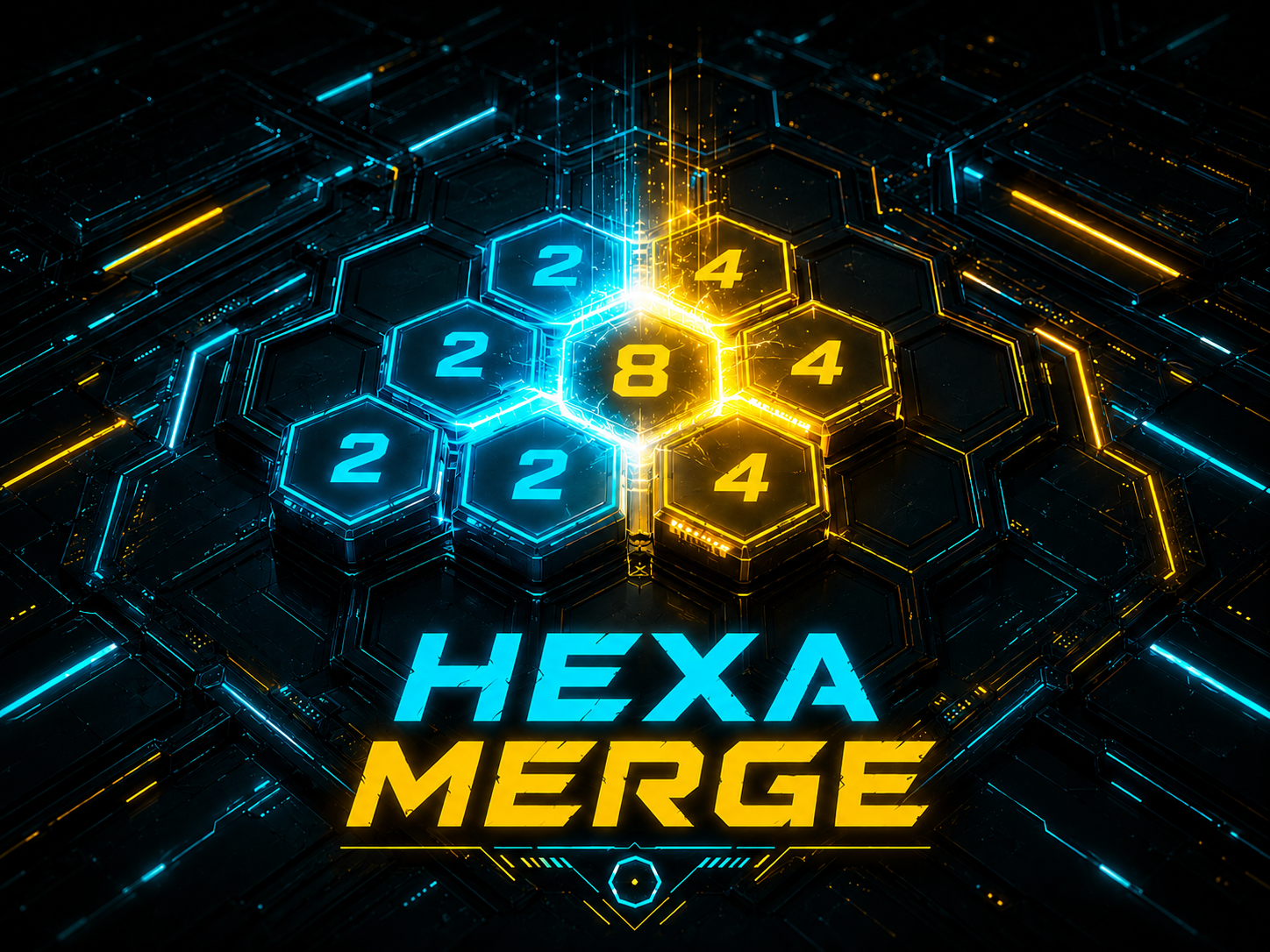
Merge puzzles have become incredibly popular in recent years, but most use a standard square grid. Hexa Merge distinguishes itself by using a hexagonal grid, which fundamentally changes the strategic dynamics. Each tile has six neighbors instead of four, which creates more opportunities for merging but also more complexity in planning your placements. The game requires you to think several moves ahead — placing a tile in the wrong position early can block crucial merges later, eventually filling your board and ending your run. High scores in Hexa Merge require a combination of tactical awareness (where should I place this specific tile right now?) and strategic planning (how does this placement set up future merges?). The game also features special tiles that appear periodically, adding an element of adaptation to your strategy.
Light Linker: Network Thinking
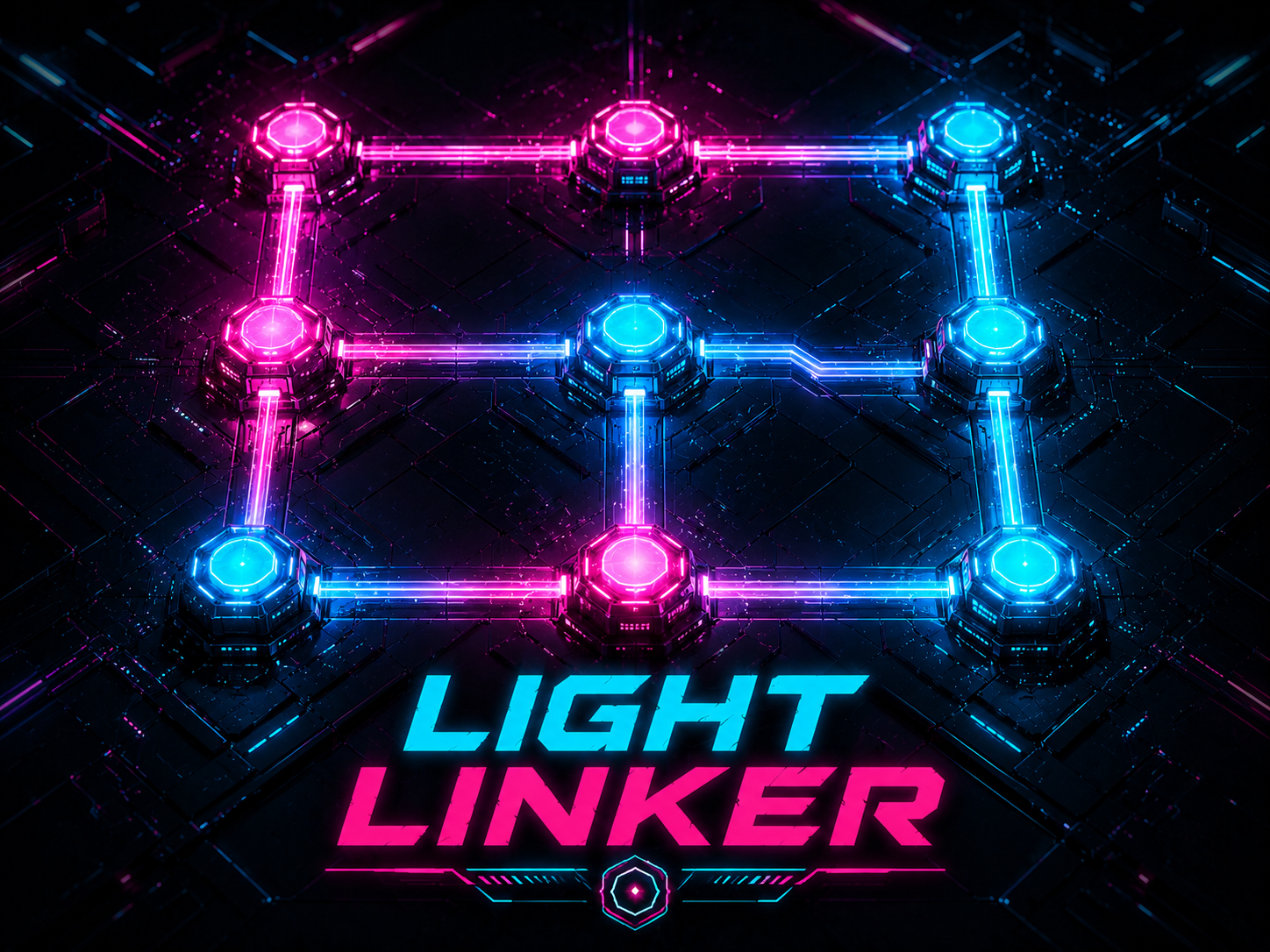
Light Linker challenges players to connect light sources to receivers by rotating and placing connector tiles. Each level presents a grid where you must create an unbroken chain of light from source to destination, often with multiple paths that need to be connected simultaneously. The game tests your ability to think in networks — understanding how changing one connection affects the entire system. Later levels introduce colored light that must be matched to colored receivers, adding an extra dimension of complexity. Light Linker is particularly effective at building the kind of systematic thinking skills that are valuable in programming, engineering, and other technical fields.
Tips for Getting Better at Puzzle Games
If you find yourself stuck on a puzzle, try these strategies. First, work backwards from the solution — imagine the final state and think about what move would have immediately preceded it. Second, look for constraints — identify which pieces have the fewest possible moves and start your analysis there. Third, take breaks. Research has consistently shown that stepping away from a problem and returning to it later activates different neural pathways, often leading to breakthrough solutions. Finally, don't be afraid to restart. Sometimes the best approach is to clear your mental state and approach the puzzle fresh, without the cognitive baggage of your previous attempts.